Chronic Conditions
Managing High Blood Pressure: A Practical Guide for Oklahoma Families
What the numbers mean, what your provider is watching for, lifestyle changes that actually work, and when medication makes sense for high blood pressure.
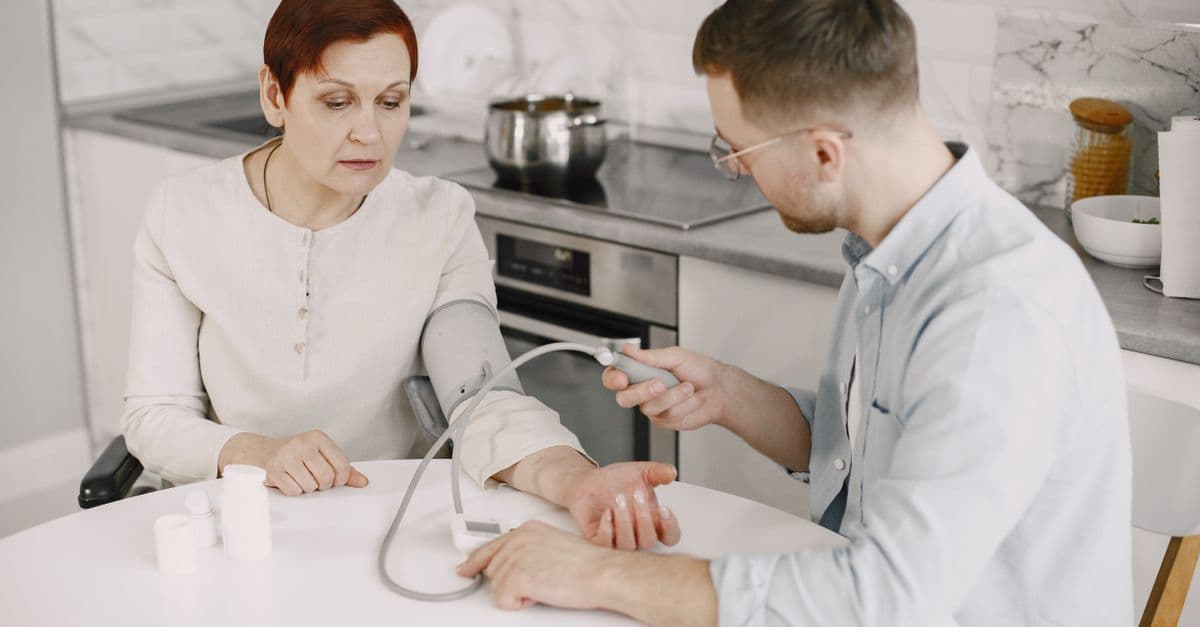
About 1 in 2 American adults has high blood pressure — and many don't know it. The good news: it's one of the most treatable conditions we manage.
What the numbers mean
| Category | Systolic (top) | Diastolic (bottom) |
|---|---|---|
| Normal | < 120 | and < 80 |
| Elevated | 120–129 | and < 80 |
| Stage 1 hypertension | 130–139 | or 80–89 |
| Stage 2 hypertension | ≥ 140 | or ≥ 90 |
| Hypertensive crisis | > 180 | and/or > 120 |
If a reading is above 180/120, wait at least one minute and check it again. Call 911 when a very high reading occurs with symptoms such as chest pain, shortness of breath, weakness, vision changes, or difficulty speaking. Without those symptoms, contact a healthcare professional promptly for guidance.
Why it matters
Uncontrolled high blood pressure quietly damages your:
- Heart — leading to heart attack and heart failure
- Brain — stroke risk
- Kidneys — chronic kidney disease
- Eyes — vision loss
That's why we treat it aggressively even when you feel fine.
Lifestyle changes that actually move the needle
The effect varies by person, but these habits can support blood pressure control and overall cardiovascular health:
- Work toward a healthy weight when weight loss is appropriate for you.
- Use a DASH or Mediterranean-style eating pattern with more vegetables and fewer highly processed foods.
- Reduce sodium based on guidance from your healthcare provider.
- Build regular physical activity into most weeks when it is safe for you.
- Limit alcohol. Ask your provider what limit is appropriate for your health and medications.
- Quit smoking. This one doesn't lower the number much directly but it cuts cardiovascular risk dramatically.
When you need medication
If lifestyle changes alone don't get you to goal in 3–6 months — or if you're already in Stage 2 — medication is the right call. Modern blood pressure medications are inexpensive, well-tolerated, and proven to prevent strokes and heart attacks.
We commonly start with one of:
- ACE inhibitors or ARBs
- Calcium channel blockers
- Thiazide diuretics
Medication choice and follow-up timing depend on your readings, other health conditions, side effects, and treatment goals.
Home monitoring
Use a validated upper-arm cuff that fits correctly. Take readings:
- In the morning before coffee or medication
- Twice in a row, one minute apart
- Sit quietly for 5 minutes first
- Feet flat, back supported, arm at heart level
Bring your log to every visit.
Ready to get yours under control?
If it's been more than a year since you've had your blood pressure checked, walk in. We'll check it, talk through your numbers, and make a plan together.
Source: American Heart Association guidance on understanding blood pressure readings
Disclaimer: This article is general education, not personal medical advice. Talk to your provider before starting or stopping any medication.